
finding solace in the spiral
Museo Nacional de Antropología, CDMX 2024
A few months ago, I listened to a podcast episode where one of the guests said that they like to picture their inner critic as their “favorite” colonialist, Christopher Columbus. I spent the next day imagining mine as Netanyahu. I’ll be damned, it helped. It felt easier to shrug off the vitriol when placed in the mouth of a genocidal MIT grad, raised in the burbs of Philly. All of a sudden I was disgusted, not complicit.
In that episode, they went on to talk about the stories we tell ourselves - all of the shame-filled ones about not being good enough - and how those are not ours. These malignant narratives are external, beaten into us from all directions.
One of those narratives is about time and progress and getting shit done.
That episode helped me see time differently, which is what I want to share with you today.
“Time is not linear. Nor is it neat, comprehensible, or manageable. Instead, it is like a spiral: moving backwards and forward simultaneously––erratic, liquid, ineffable.”
Alex Santana
To set the stage, I like to remember that our current concept of time is not natural, nor even real. It is a construct. Marta Rose, one of the podcast guests, calls this concept “Industrial” or “Factory” time, inextricable from its capitalist roots.
Our culture would have us believe that capitalism arrived naturally too; that it was the next obvious step on our evolutionary path. ape - human - capitalist. I find so much relief in remembering that this is simply not true; that the advent of capitalism came by brute force and bloodshed; that it was fiercely resisted by those it was imposed upon.
Our concept of time emerged from this violence.
If laboring in Industrial Time doesn’t work for you, if it feels unnatural and violent and disabling—that’s because it IS unnatural and violent and disabling.”
Marta Rose
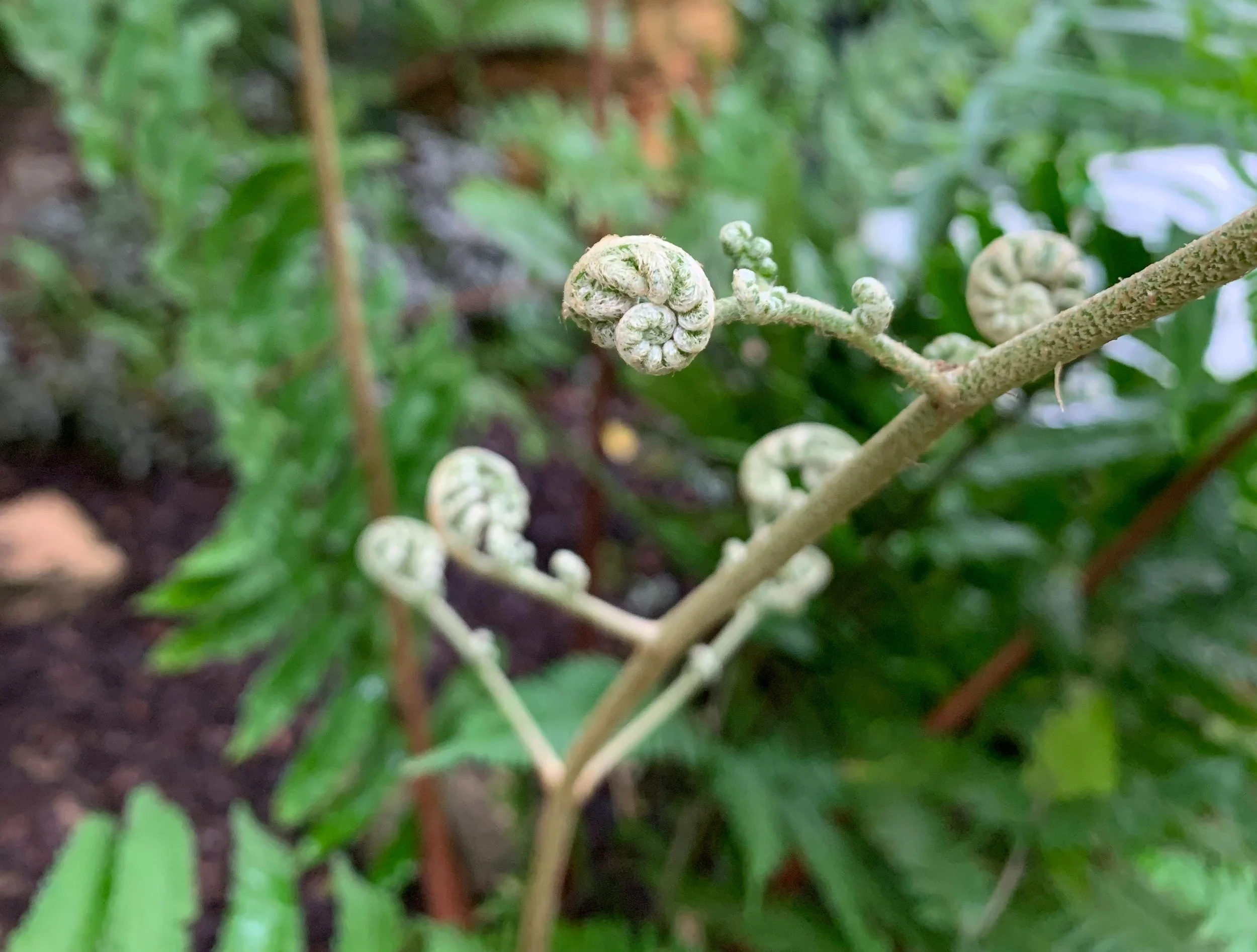
Garfield Park Conservatory, Chicago 2023
An altogether different way of viewing time is as a spiral. This concept has deeper, more ancient roots than our current paradigm. And it makes sense. Our galaxies and our DNA are spirals. Our lives spiral in cyclical seasons.
In that same episode, Marta Rose describes her understanding of “spiral time” as it relates to creative projects. I created illustrations and an animation below to facilitate her description.
The following words are pulled directly from that episode’s transcript with slight tweaks for clarity.
“Imagine your creative project is a body in space, like a planet or a star.

And imagine then that there’s a comet, and that comet is time.

The comet is orbiting around that body, not in a perfect circle, but in a big ellipse.
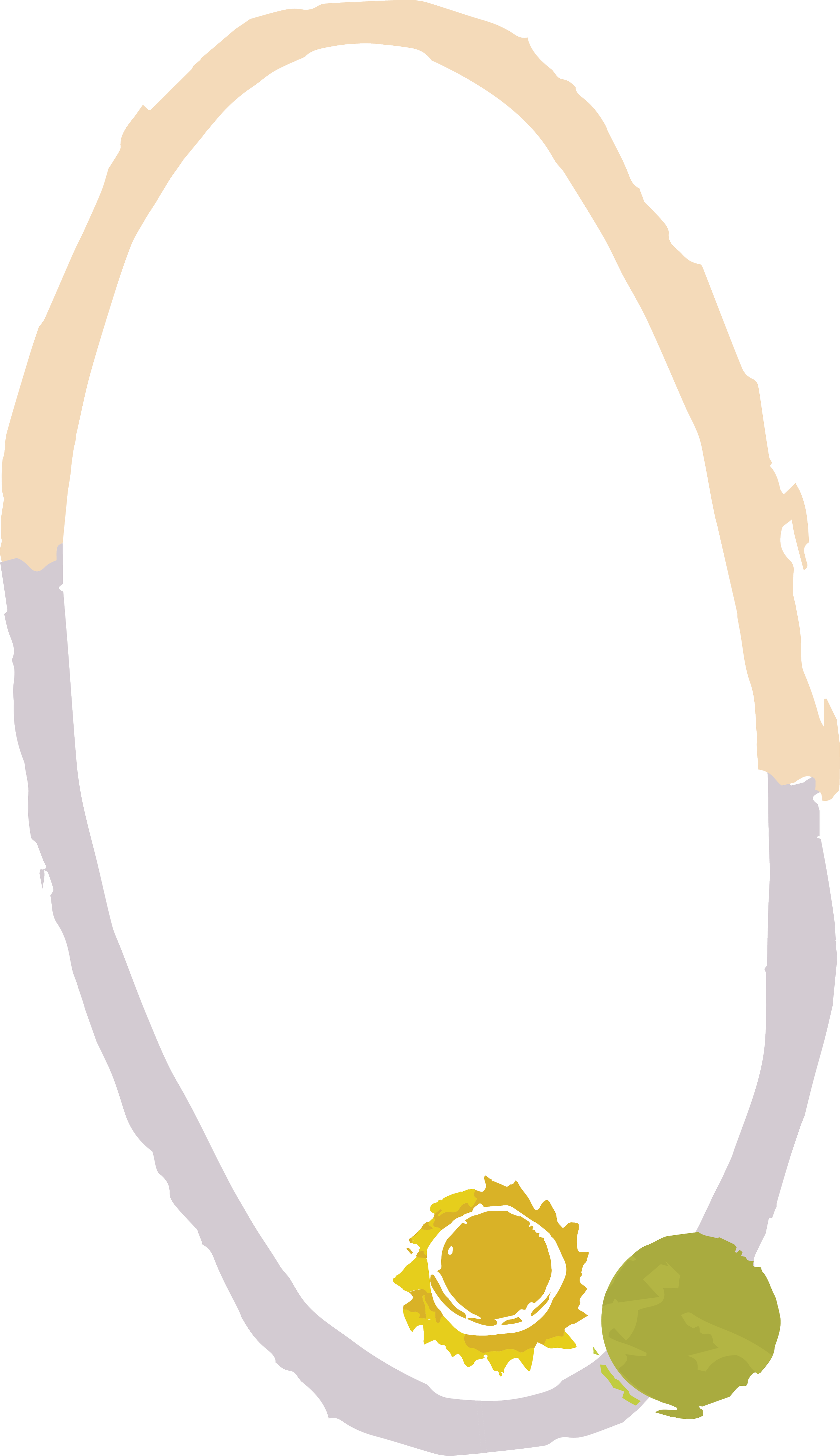
At certain points in the orbit, that comet, which is time, is coming really close to the body and because of the gravitational pull of your project, you whip around it really fast in time.
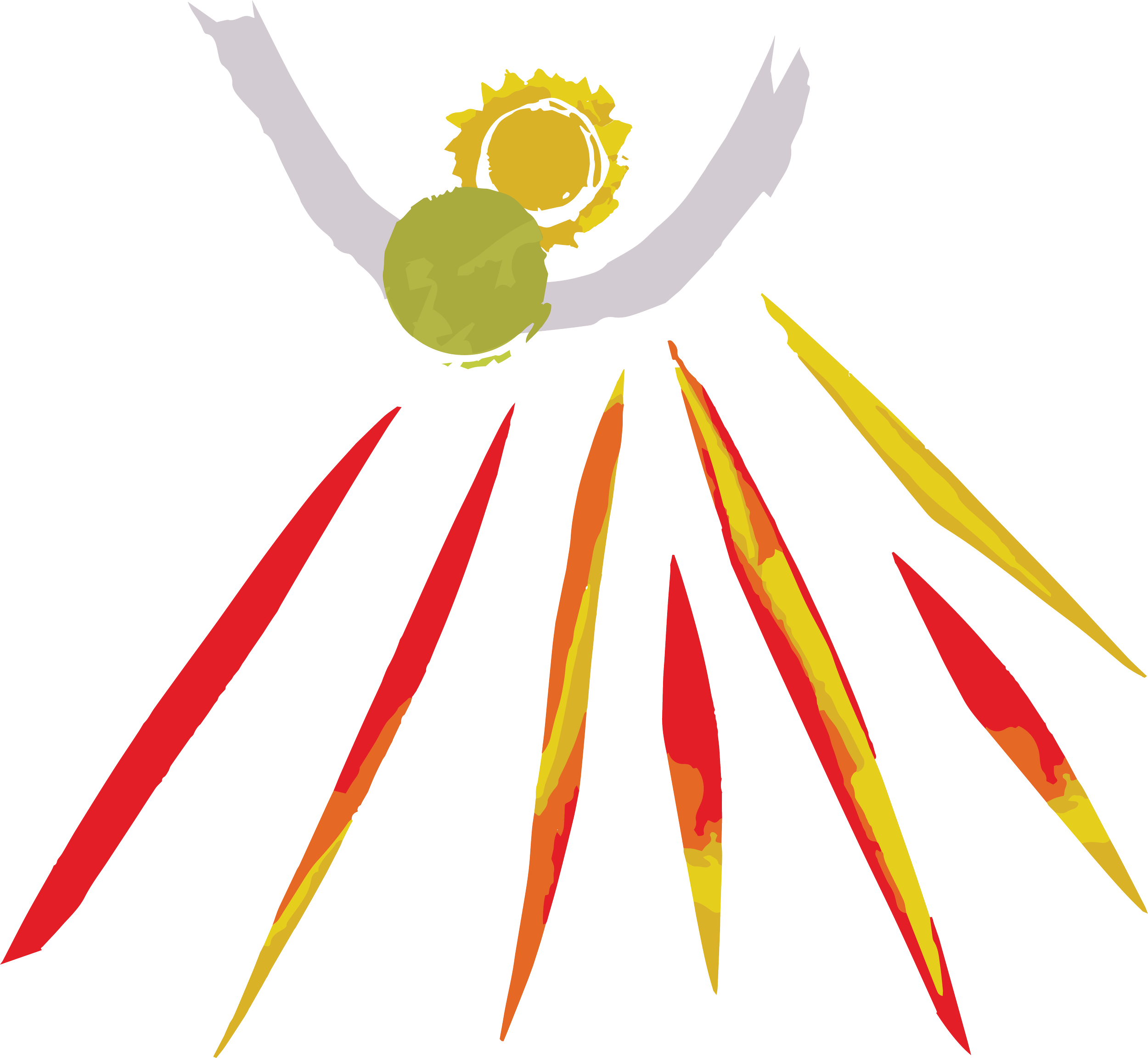
In this phase, you experience intense flow and productivity, intense getting shit done.
But by definition, that intensity will inevitably whip you back out into space, far away from your project.
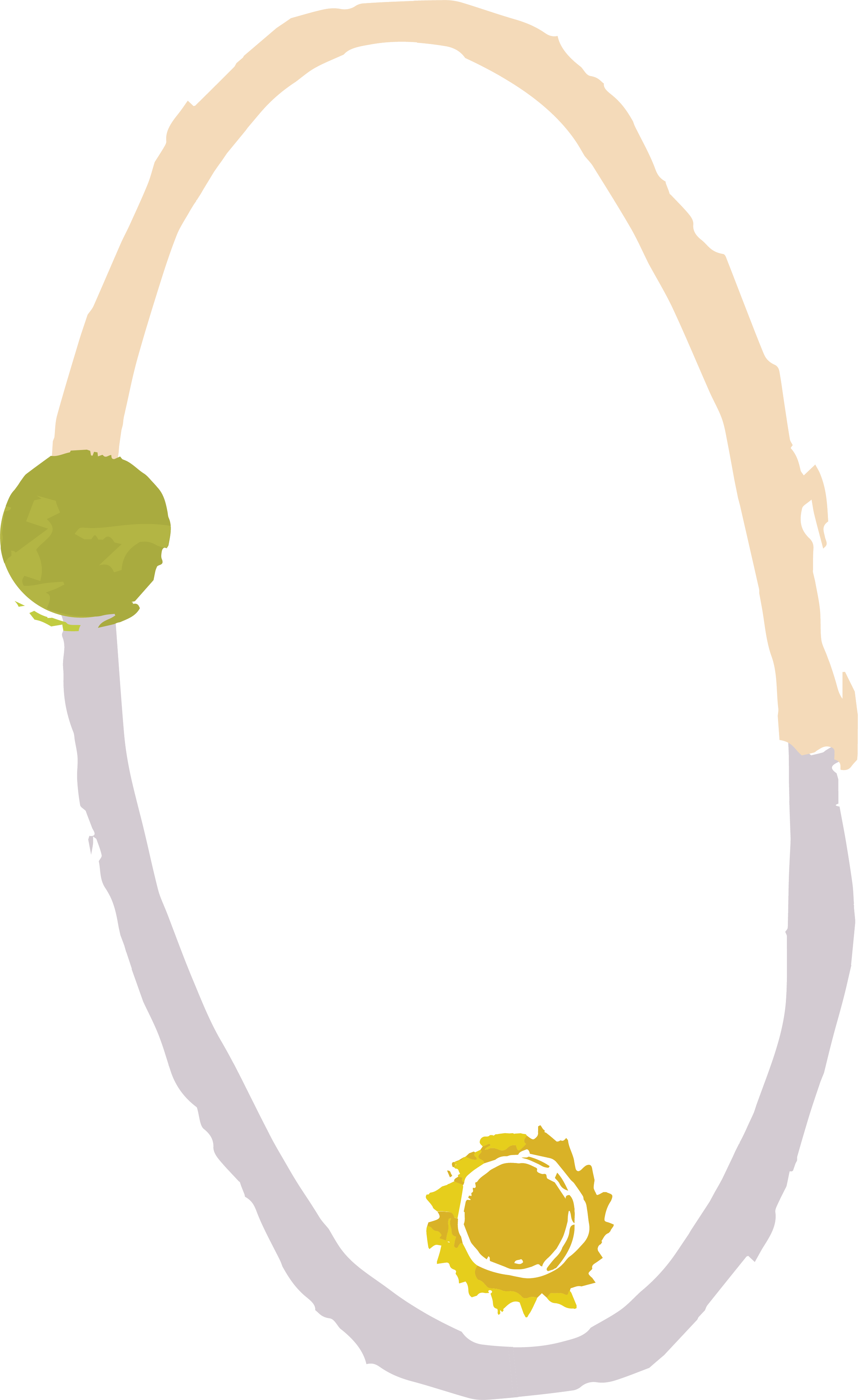
And that period of time is going be really slow and dreamy and restful (staring out windows, following rabbit holes).
But because of the demands of capitalism, it often feels like being lazy or unproductive, all of these “bad” things that we’re not supposed to be.
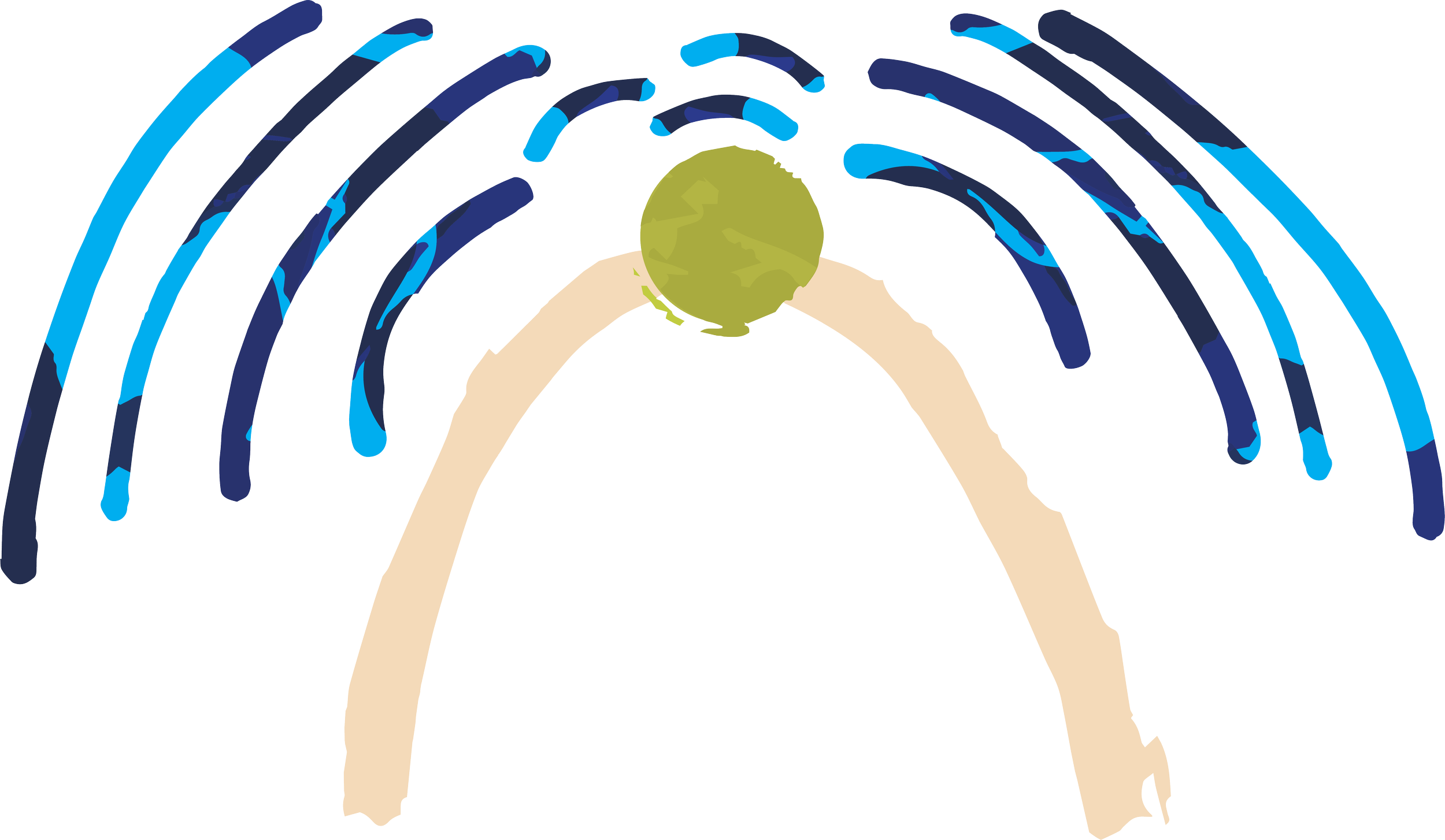
But I really believe that that part of the orbit, the drifting out into space part, is essential to the highly productive, getting shit done part.”
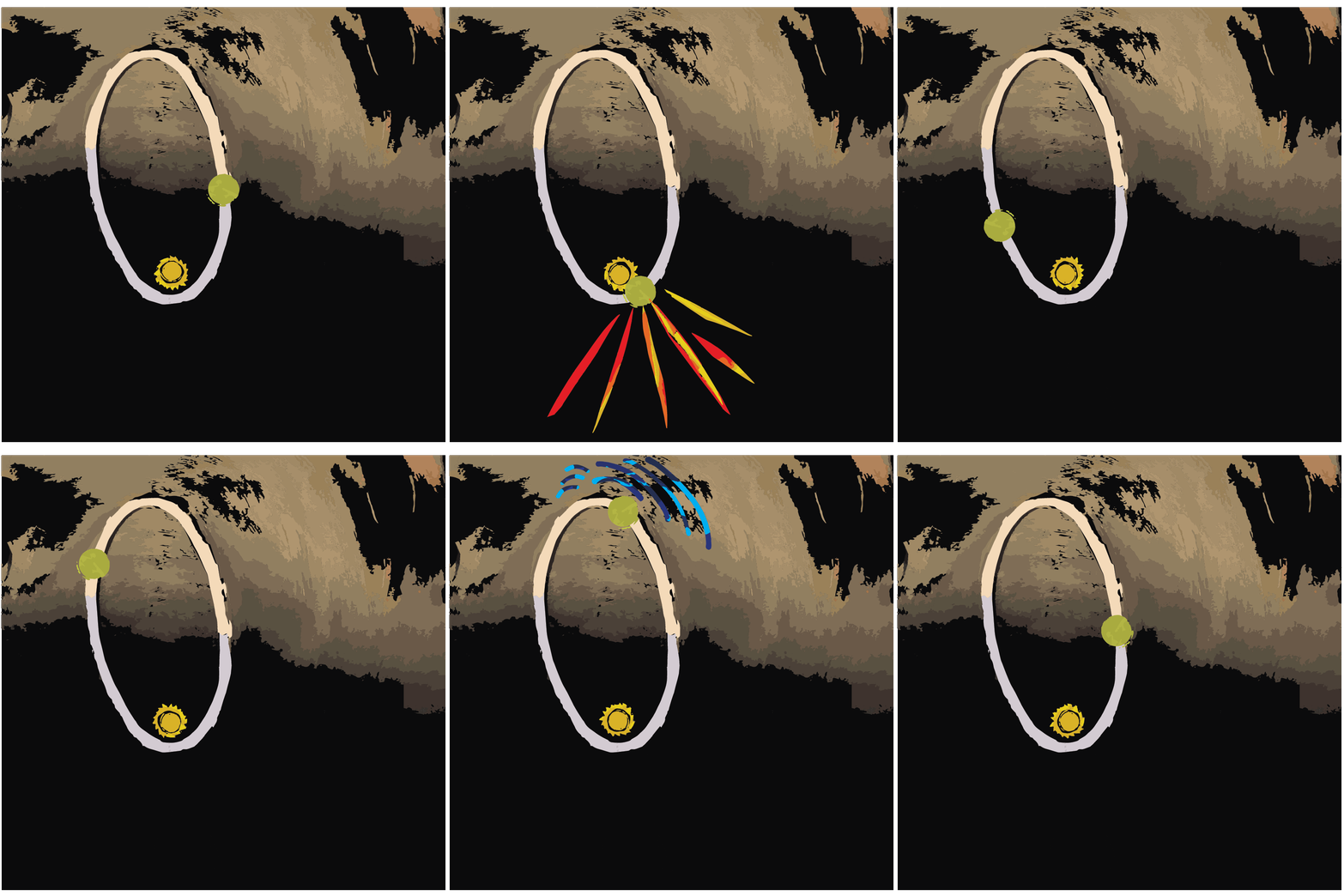
spiral time animation
This understanding has helped me slow the fuck down. It reminds me to parse my natural inklings and rhythms. Most days I still forget. I do not trust my fallow periods. But eventually, like the ellipse, I remember.
I am not machine.
I am not straight line.
Resources:
Listen to the podcast episode here.
Marta Rose: Spiral Time e-book
Marta Rose on substack: The Spiral Lab